 Ashley & Staff
What are the whiskers for?

The short answerWhiskers are extra-sensitive hairs with a rich supply of nerves at the root, and they help me feel what is close to my face. Scientists have only just started to test exactly what they sense.
The longer story
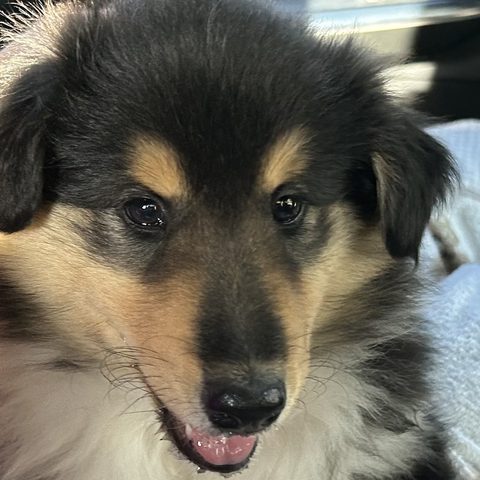
Whiskers have a proper name, vibrissae. Dogs have them above the eyes, on the muzzle, on the chin, under the throat and on the cheeks. Each one sits in a deep root wrapped in a pocket of blood and a dense web of nerves, about three times deeper than an ordinary hair.
The whisker itself feels nothing. When it bends or trembles, it passes the movement down to the nerves at its root. A 2025 study found that touching a dog's whiskers above the eye or on the muzzle makes it blink, which may protect the eyes when it pushes through bushes, and that touching the muzzle whiskers can wake a sleeping dog. Dogs also push their muzzle whiskers forward to explore objects, and use tiny whiskers on the lip to check food before eating it.
Vets often say whiskers feel the slightest air current, like radar, but that idea comes from studies of rats and has never been tested in dogs. Vets do agree that whiskers should not be trimmed, because they are a working sense organ.


Touch the whiskers on a sleeping dog's muzzle and it may wake up.
What dogs really use their whiskers to sense.
Between reports, I post on Instagram most days.
@ashleyandstaff