 Ashley & Staff
Barking

AshleyBarking is how I report. I bark when I'm excited, when I'm bored, when something frightens me and when a thing I can see or hear needs the household's attention, which in my judgement is often. The staff would like fewer reports, which seems a strange thing to ask of the only one keeping watch.
How to reduce a puppy's barking at home
- Step 1
Ignore barking for attention
If your puppy barks at you for attention, and is not shut in, hurt or frightened, turn away without a word or a look. If they are frightened, or cry and cannot settle, go to them.
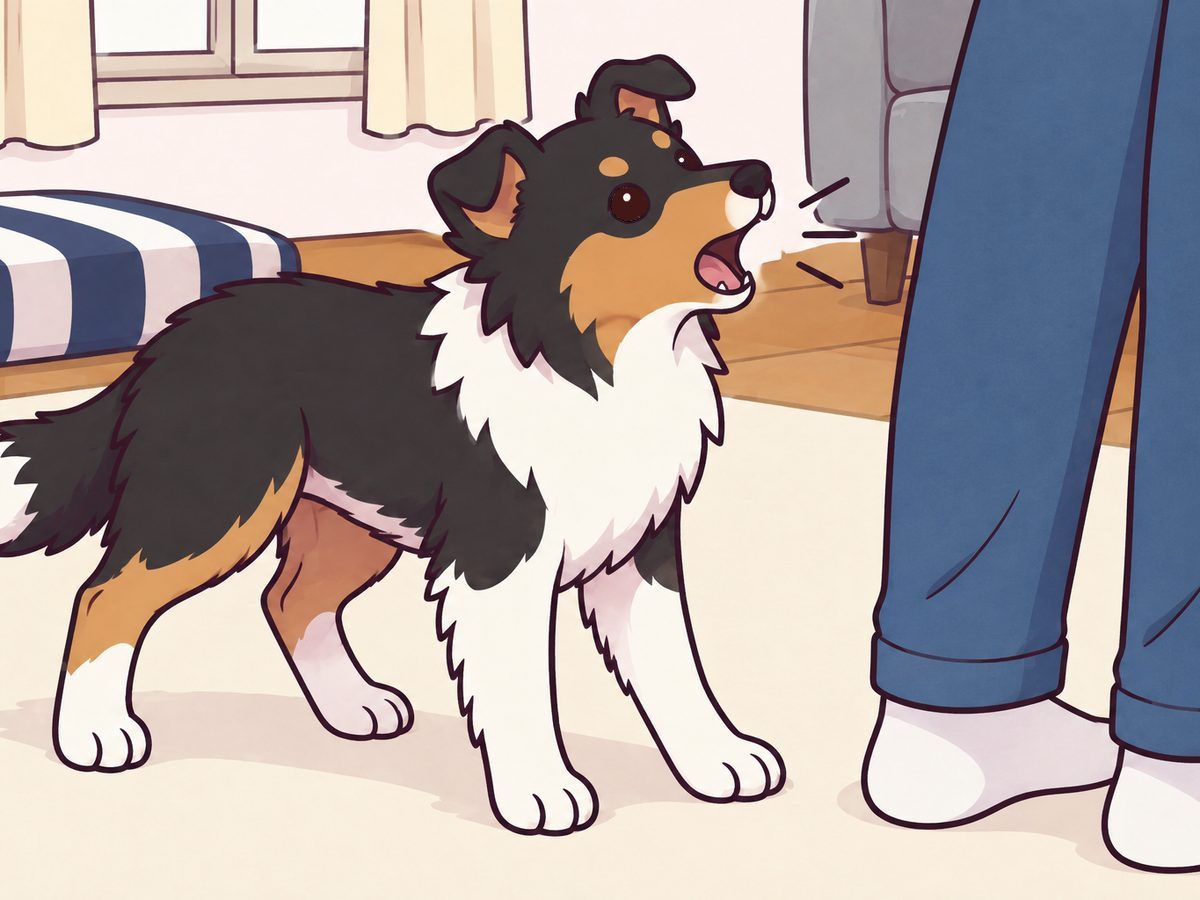
- Step 2
Reward quiet
As soon as your puppy stops barking, even if it is only for a moment, praise them and give a treat. Praise and reward other quiet moments too.
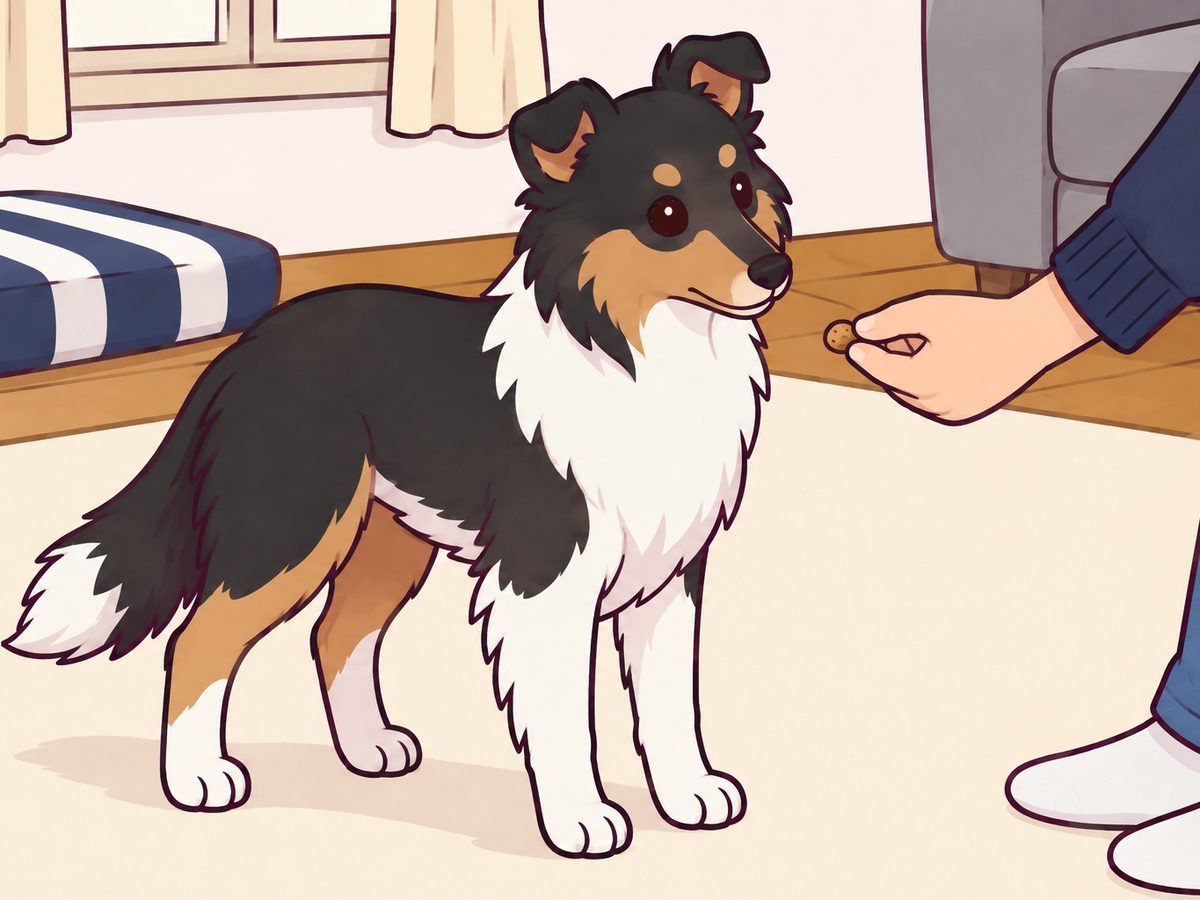
- Step 3
Send them to bed
When the thing your puppy barks at appears, say "bed", the word taught in Going to bed on cue. Reward them on their bed.
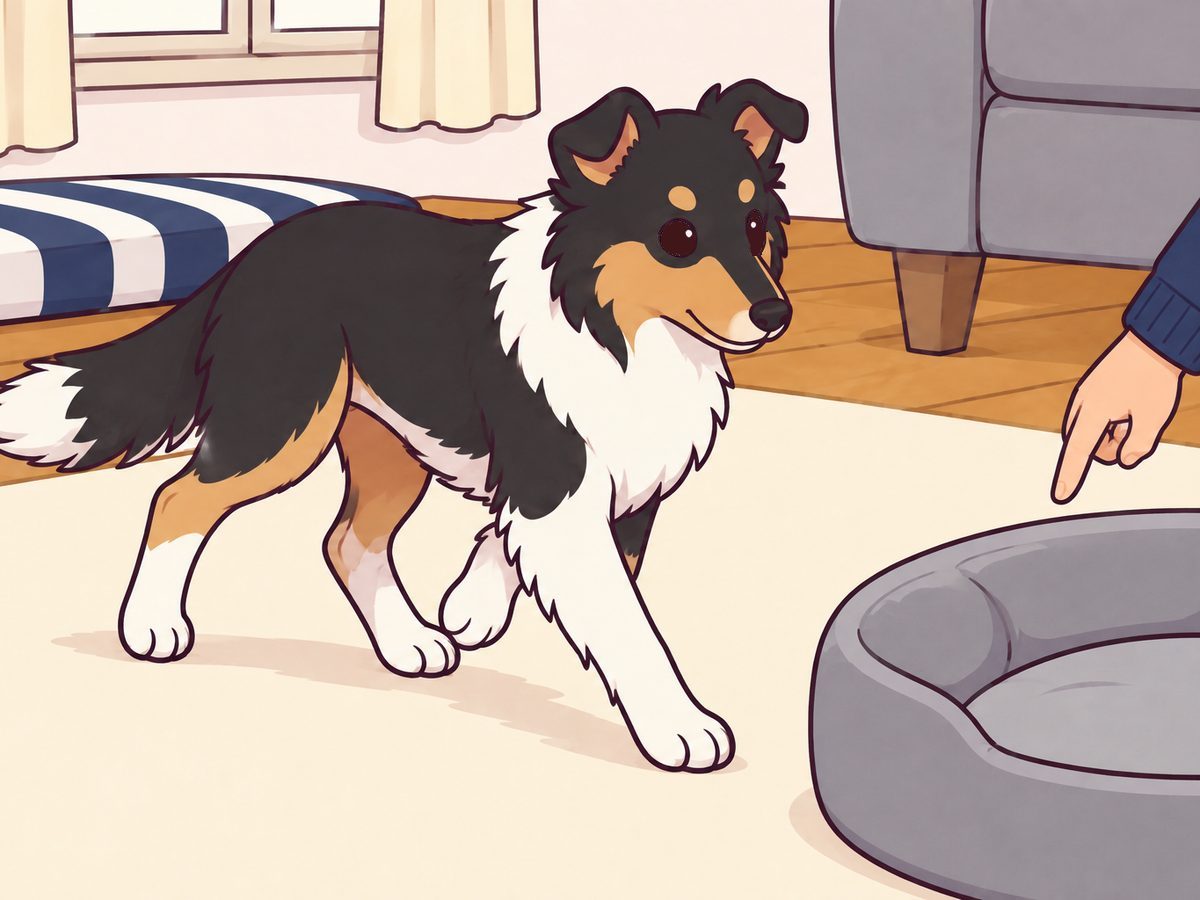
- Step 4
Find what sets them off
Notice what your puppy sees or hears just before they bark. Then block the view from the window or shut a gate, so that they meet it less often.
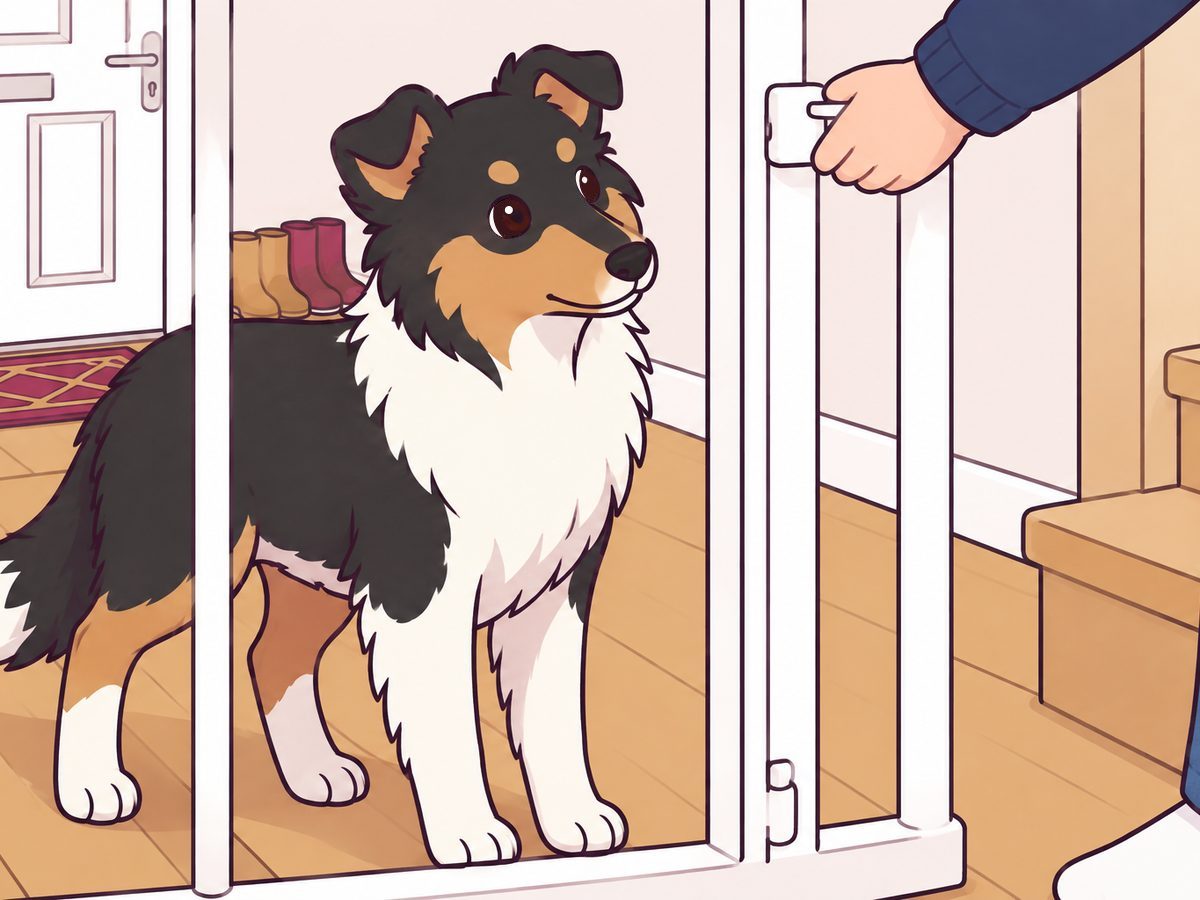
- Step 5
Fill your puppy's day
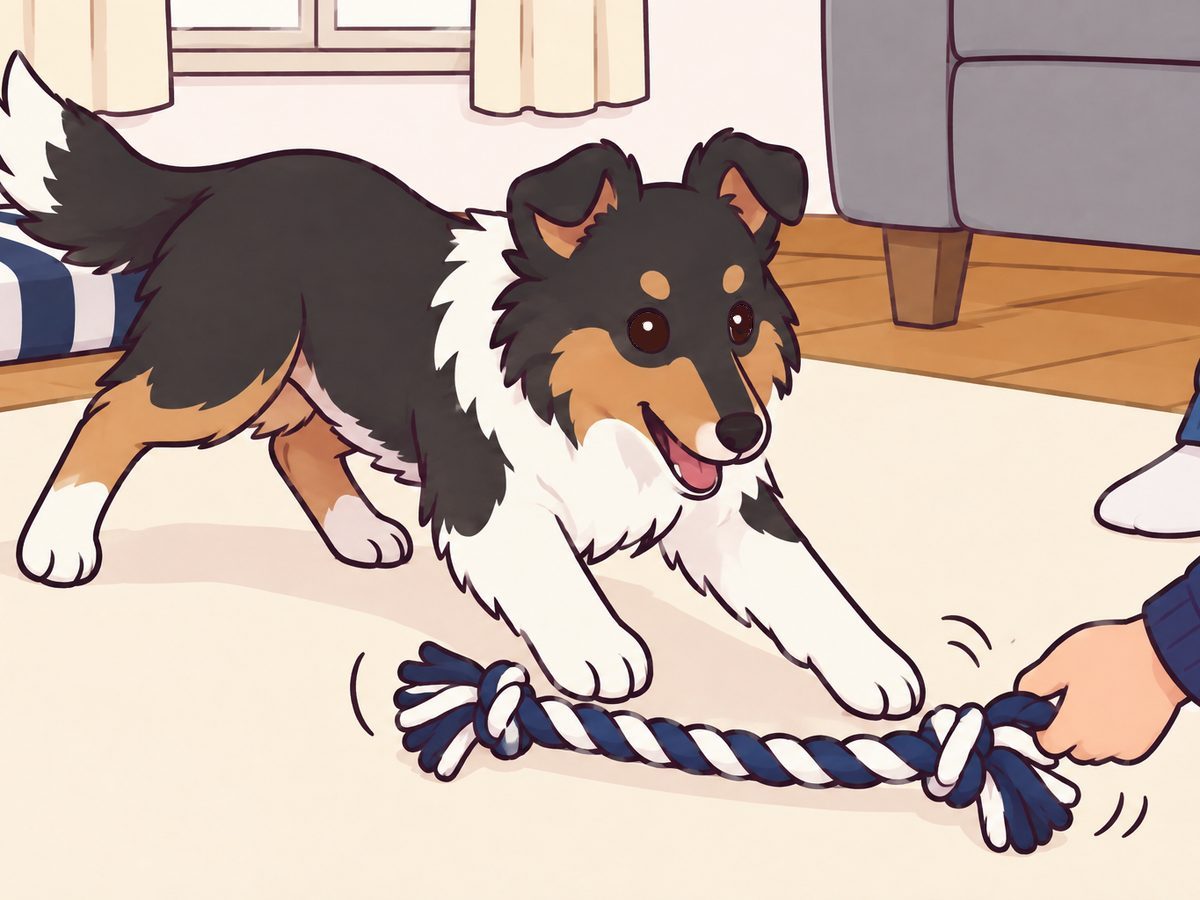
Give your puppy regular exercise, play and things to do, and keep meals, play and exercise at steady times.


 Good to know
Ashley: When I'm stressed I have more to say, so a day that gives me what I need means fewer reports.
If that doesn't workAshley: Make the lesson easier for me, and keep at it patiently and the same way every time. If my barking starts suddenly, comes from fear or keeps getting worse, take me to the vet first.
Never do thisAshley: Never tell me off or shout at me to be quiet. Never give me attention for barking, even now and then. Never use an anti-bark collar or anything else that hurts or frightens me.
Ashley & Staff · a tricolour collie puppy and the staff she is trainingashleyandstaff.com/learning/barking/
Between reports, I post on Instagram most days.
@ashleyandstaff