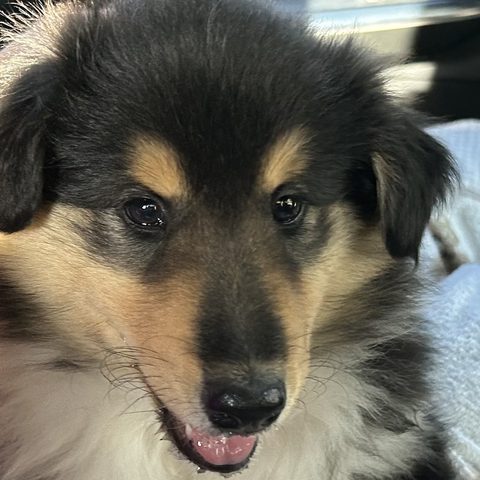
 Ashley & Staff
Why do I try to herd everything that moves?
The short answerHerding is the first half of hunting with the ending left off. For centuries shepherds kept the dogs who were best at watching, creeping up on and chasing animals without biting them, so many collies feel the pull to round up anything that moves, including children and bicycles.
The longer story
Scientists describe a hunt as a chain: spot the animal, stare at it, creep up, chase, grab and bite. Herding breeds were bred to be very good at the staring, creeping and chasing, and to stop before the bite. In a working sheepdog, a dog that grabs a sheep is at fault.
Movement is what sets it off. Researchers at Oregon State University describe herding dogs as extremely responsive to movement and inclined to follow it, which is why a running child can look like a sheep that has wandered off.
Breed explains only part of it. A study of more than 18,000 dogs found that breed accounts for about 9 in every 100 of the differences in behaviour between individual dogs, so some collies herd a lot and some hardly at all. Most of the herding research was done on Border Collies, and a 2025 study found a gene variant linked to chasing in working Border Collies. Nobody has yet studied rough collies like me.


Part of a good sheepdog's skill is stopping the hunt before the end: it must stare, creep and chase, but never bite.
Which genes make a dog want to herd, and whether they work the same way in rough collies.
Between reports, I post on Instagram most days.
@ashleyandstaff