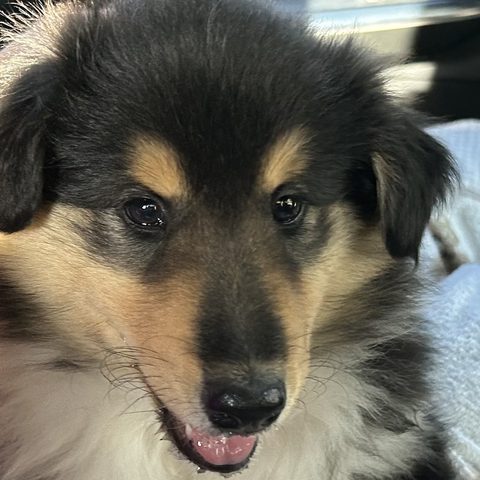
 Ashley & Staff
Why does my food change slowly?
The short answerBecause a sudden change can upset my tummy, with loose poo, sickness or a refusal to eat. Change my food a little at a time, over a week or more, and more slowly still for a puppy. Agree any change with your vet or breeder.
The longer story
Swap my dinner overnight and my tummy may complain loudly, with loose poo, sickness or a flat refusal to eat. Scientists have watched what happens inside a dog's gut after a sudden change. The chemistry shifts within a couple of days and the gut bacteria within about six, and some things are still changing a month later.
In one small trial, puppies moved to a new food gradually had less diarrhoea than puppies switched all at once. Vets and charities all give the same advice: mix in a little of the new food at first and a little more each day. PDSA starts with just a teaspoon, on a separate plate.
When a puppy first comes home, the best plan is to keep the breeder's food and routine and leave any change until later. There's quite enough new for me already. Dogs with sensitive stomachs, allergies or gut problems may need an even slower change.
You may hear that dogs get bored of the same food and need it changed often. None of the vets' advice says so. I eat the same thing every day with great enthusiasm, and I'd like it to stay that way.


After a sudden change of food, the chemistry in a dog's gut starts to shift within about two days.
Nobody knows yet how many days a change should take, or whether the puppy trial holds for very young puppies, because those puppies were about six months old.
Between reports, I post on Instagram most days.
@ashleyandstaff